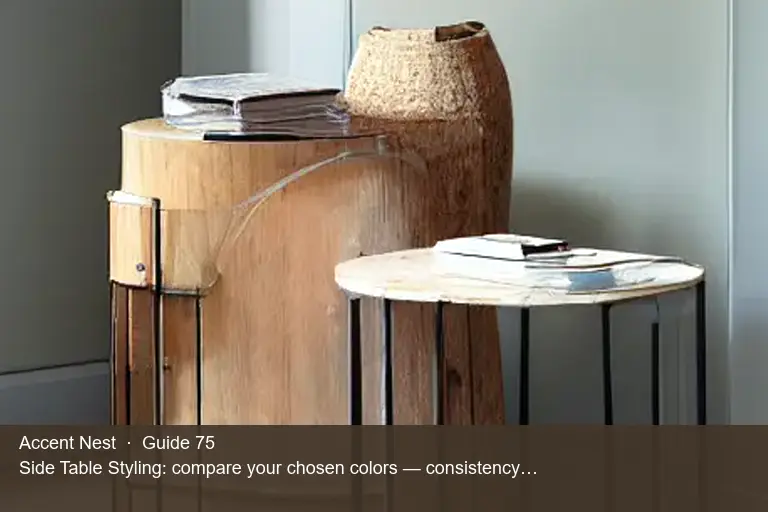
Side Table Styling: compare your chosen colors — consistency test for a seasonal rotation; setup in small spaces
In the annual transition from summer to autumn, side tables often serve as an important transition piece, blending seamlessly into the larger living spaces. A side table can be a focal point in the room, often used for entertaining guests or displaying important items. When choosing colors for a side table, it’s important to consider both functionality and aesthetic appeal. The following article will help you compare your chosen colors for a seasonal rotation, ensuring consistency in your side table styling.
First, let’s consider the primary colors for a side table: white and black. These two colors are fundamental in any design, especially for decorative objects. White is typically associated with modernity and cleanliness, while black is often associated with sophistication and elegance. This color scheme is versatile enough to suit a variety of styles, from rustic to contemporary.
However, the choice of color can significantly impact the overall aesthetic of your side table. For example, white can be a bright and fresh choice for a summer room, while black can offer a more refined and sophisticated appearance in a winter setting. These differences can be crucial in determining the overall look and feel of the room.
To ensure consistency in your side table styling, it’s beneficial to choose a color that complements your existing decor. For example, if you have a wooden floor, you might consider white or a light brown to complement the natural tones of the room. This can help maintain a cohesive look even in different seasons.
Another consideration is the lighting, which can significantly impact the mood of your room. Lighting can be a powerful tool in creating a specific atmosphere or mood, and it’s essential to choose colors that match the lighting. For example, white can create a sense of brightness and freshness, while black can create a sense of darkness and sophistication.
Additionally, the size and shape of your side table can also affect its appearance. A small table might be ideal for a summer room, while a larger table might be suitable for a winter setting. This can help create a more dynamic and interesting space.
Finally, it’s important to consider the materials used in your side table. The materials you choose will have a significant impact on the overall look and feel of the room. Materials like wood, metal, and stone can add depth and character to a room, while other materials like glass or ceramic can be used for a more minimalist or contemporary look.
In summary, when choosing colors for a side table, it’s important to consider both functionality and aesthetic appeal. By choosing a color that complements your existing decor and lighting, and by choosing the right materials and shapes, you can create a cohesive and functional space for your summer or winter needs.