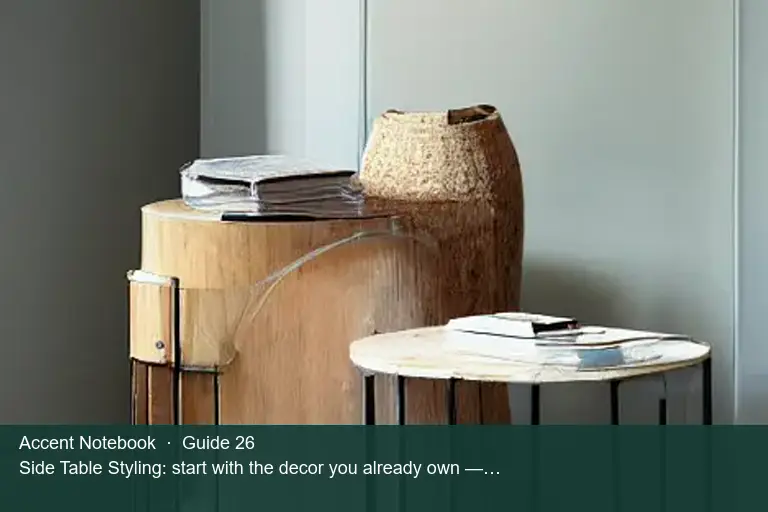
Side Table Styling: start with the decor you already own — setup audit for a shared room; setup with paper records
**Starting the Side Table Styling Journey: A Practical Approach for Shared Rooms**
In the realm of shared living spaces, the side table has long been a symbol of comfort and functionality. As we navigate through the process of making room for shared living, a side table can be a pivotal focal point. The process of transforming a single piece of furniture into a shared space is not only a practical endeavor but also a chance to enhance the aesthetic and functional aspects of your space.
For the purpose of this article, the task at hand is to help the reader start with the decor they already own for side table styling. This is especially relevant for shared rooms where the side table serves as the focal point of conversation and shared activities. The process of selecting and organizing side tables for a shared room will involve a step-by-step approach, starting with the most basic elements and moving towards more elaborate and sophisticated pieces.
**Step 1: Assess the Existing Decor**
Before diving into the side table, it is essential to assess the existing decor. This can be done by examining the existing wall space, furniture, and lighting fixtures. Understanding the current decor will give you a clear picture of the space's layout and the types of items that have been stored there. This information will guide you in choosing the right side table for the shared space.
**Step 2: Identify the Primary Purpose**
Once you have the existing decor in hand, it is crucial to identify the primary purpose of the space. This will help you determine the most suitable side table to fit the shared living experience. For example, if the shared space is primarily for relaxation and entertainment, a side table that can accommodate chairs and a bookshelf would be ideal. If the shared space is for work and study, a side table with drawers and a desk would be more suitable.
**Step 3: Start with a Shared Table**
The next step is to start with a shared table. This is the central piece of furniture that will hold all the items. The choice of a side table will depend on the amount of items and how they are organized. For a small space, a simple side table can suffice. For a larger space, a larger side table would be more appropriate. The size of the table will depend on the amount of items and the desired storage capacity.
**Step 4: Select the Right Side Table**
When selecting the right side table, it is important to consider the type of items you plan to store and the desired storage capacity. The type of items will determine the size and shape of the table. For example, a side table with drawers and a desk is suitable for storing books, paperwork, and small electronics. A side table with shelves and a desk is ideal for storing books and a small kitchen.
**Step 5: Arrange the Items**
After selecting the right side table, it is time to arrange the items. This will involve setting up the table with the necessary storage space and organizing the items accordingly. The placement of items on the table will depend on the type of items and the desired arrangement. For example, if the side table is designed for books, the books will be placed on the shelves, and the desk will be the primary storage area.
**Step 6: Add Finishing Touches**
Finally, it is time to add finishing touches to your side table. This can include adding decorative elements, such as candles, lamps, or a unique piece of art. These elements can enhance the aesthetic appeal of the table and make it more inviting to the shared living space.
**Step 7: Finalizing the Design**
After completing the above steps, it is time to finalize the design. This involves ensuring that the side table is easy to use and maintain. The table should be easy to clean and maintain, and the storage space should be accessible and organized. This final touch will ensure that the side table is a functional and appealing addition to the shared living space.
In conclusion, the process of starting with the decor you already own for side table styling can be a straightforward and enjoyable task. By understanding the existing decor, identifying the primary purpose of the space, starting with a shared table, selecting the right side table, arranging the items, adding finishing touches, and finalizing the design, you can transform a single piece of furniture into a shared space that not only serves as the focal point of conversation but also enhances the aesthetic and functional aspects of your space.