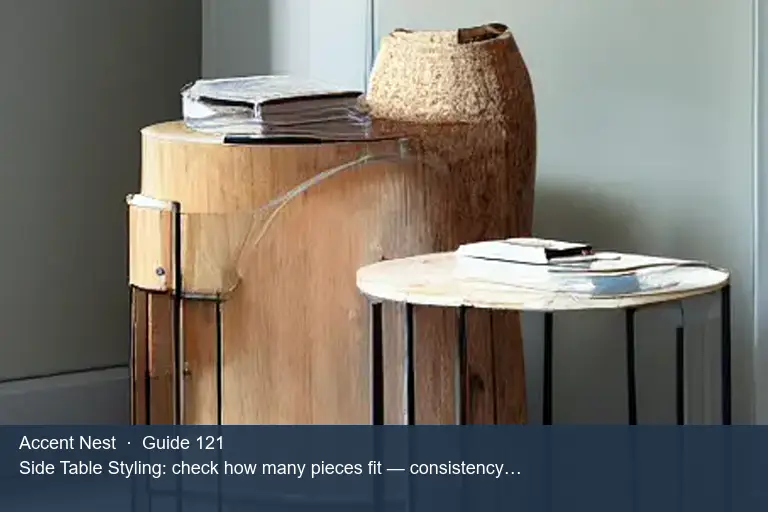
Side Table Styling: check how many pieces fit — consistency test for a first display plan; setup in small spaces
Title: Side Table Styling: Check How Many Pieces Fit for a First Display Plan
In the world of side table styling, selecting the right pieces is a crucial step in creating a visually appealing display that aligns with the needs of your first display plan. A first display plan, a small-space plan, is a perfect opportunity to incorporate a variety of decorative pieces to create a harmonious and aesthetically pleasing display. However, ensuring that the pieces fit within the available space is essential. This article will guide you through the process of checking how many pieces fit within a small-space plan.
Step 1: Assess the Available Space Before you start, it is crucial to assess the available space in your small-space plan. Make sure you have enough room to fit all the pieces on your table. Use the following tips:
- Measure the length and width of your table space. This will help you determine the total area of your table. - Take note of any furniture or decor that is already on your table, such as shelves, books, or furniture pieces. This will help you plan the placement of additional pieces.
Step 2: Determine the Number of Pieces to Include Based on your space measurement and the furniture or decor on your table, determine the number of pieces you need to include. This will depend on your budget and the specific needs of your plan.
- If you have limited space, consider using a few large pieces such as a single piece of wood or a large vase. This will help you create a more cohesive display. - If you have more space, consider using a few smaller pieces such as a small piece of wood or a vase. This will create a more dynamic and dynamic display.
Step 3: Consider the Placement of the Pieces The placement of the pieces on your table is crucial to ensure that they fit within the available space. Make sure the pieces are placed in a way that allows for easy movement and access.
- Use a layout that is simple and easy to navigate. This will help ensure that you can easily move the pieces to where they are needed. - Consider the color and texture of the pieces to create a cohesive and visually pleasing display. This will help you create a more cohesive and visually pleasing display.
Step 4: Test the Display Plan Once you have determined the number of pieces to include and the layout, test the display plan. Use the following steps:
- Measure the length and width of your table space again to ensure that the pieces fit within the available space. - Take note of any furniture or decor that is already on your table, such as shelves or books. This will help you plan the placement of additional pieces. - Use a mirror to inspect the placement of the pieces on your table. Make sure they are in a way that allows for easy movement and access. - Test the display by placing the pieces and see how they fit within the available space. Make sure they are balanced and not too crowded.
Step 5: Adjust the Display Plan as Needed Based on the results of your tests, make any necessary adjustments to your display plan. This may involve adding or removing pieces to create a more dynamic and visually pleasing display.
- If the pieces fit within the available space, continue with your display plan. - If the pieces do not fit within the available space, consider adding or removing pieces to create a more dynamic and visually pleasing display.
Conclusion: In summary, side table styling is a great way to create a visually appealing display in a small-space plan. By assessing the available space, determining the number of pieces to include, placing the pieces in a way that allows for easy movement and access, testing the display plan, and adjusting the display plan as needed, you can create a display that fits within your plan and aligns with your needs.