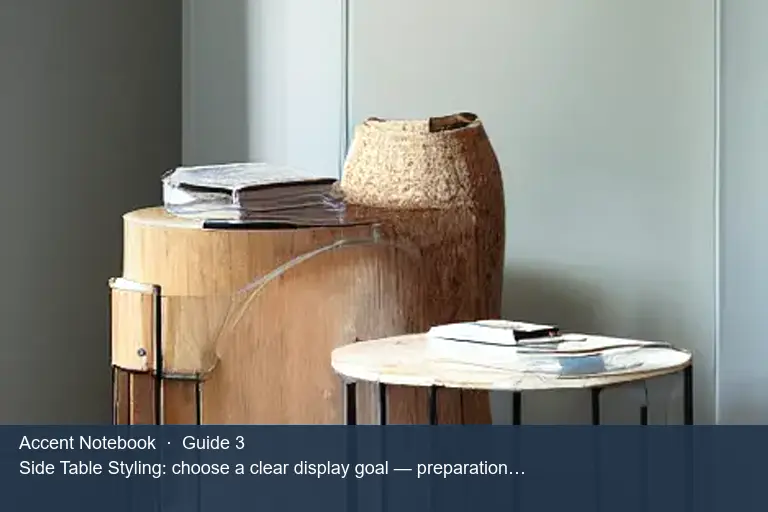
Side Table Styling: choose a clear display goal — preparation guide for a narrow display area; setup with paper records
In a narrow display area, side tables can be a versatile yet challenging tool for organizing your files. They are not only functional but also essential for maintaining neatness and efficiency in your storage. The key is to choose a clear display goal that suits your needs, making the most of the space. Here are some steps to help you select a clear display goal for your side table.
Step 1: Assess Your Space First, assess your narrow display area to understand its size, shape, and layout. Note the dimensions, color, and placement of documents, photos, and other materials. This will help you determine the best placement for side tables.
Step 2: Decide on Your Display Goal Based on your assessment, choose a display goal that aligns with your needs. Consider the following options:
a) Organize documents: If your files are large and require frequent access, side tables can be useful in organizing documents. Use a vertical arrangement with drawers or shelves to display files neatly.
b) Keep photos: If your photos are not large and do not need frequent access, side tables can be suitable for keeping photos. Use a vertical arrangement with drawers or shelves to display photos neatly.
c) Organize documents and photos: If your files are large and require frequent access while also keeping photos, side tables can be a good balance. Use a vertical arrangement with drawers or shelves to display both documents and photos.
Step 3: Plan Your Layout Once you have selected a display goal, plan your layout to maximize the use of your narrow space. Use a combination of vertical and horizontal arrangements to keep your documents and photos organized. Ensure that your documents are placed on a secure surface and that your photos are kept away from the edges.
Step 4: Choose the Right Type of Side Tables Select the appropriate type of side tables for your needs. There are several types of side tables: book ends, drawers, and shelves. Consider the following factors:
a) Size: Choose a size that fits your needs. For example, a book end could be 20 inches in length, while a drawer or shelf could be 18 inches in height.
b) Material: Choose a material that suits your environment. For example, a book end could be made of wood, while a drawer or shelf could be made of metal.
c) Functionality: Consider the ease of use and the flexibility of the side tables. For example, a book end could be a good choice for keeping documents, while a drawer or shelf could be a good choice for keeping photos.
Step 5: Consider Your Budget Finally, consider your budget. Side tables can be a costly investment, so it's important to choose a display goal that fits within your budget. Ensure that your budget allows for the purchase of side tables and that you can afford the materials and maintenance.
In conclusion, choosing a clear display goal for your side table is crucial for making the most of your narrow display area. By assessing your space, deciding on your display goal, planning your layout, selecting the right type of side tables, and considering your budget, you can ensure that your side table is a valuable tool in your storage.