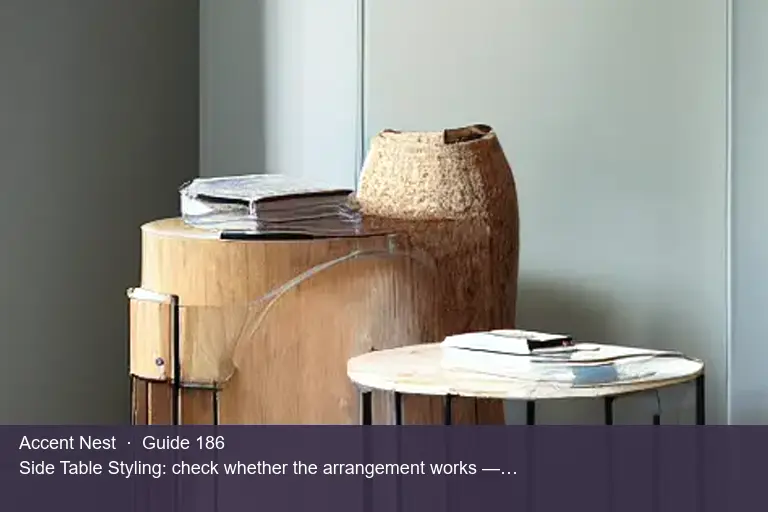
Side Table Styling: check whether the arrangement works — review calendar for a shared room; setup in small spaces
Side tables are a common sight in homes and office spaces, serving as a practical and functional addition to furniture and as a stylish addition. Side tables can be used for a variety of purposes, from storing books and papers to serving as a place for dining or a study. In the context of shared living spaces, side tables can be a source of conversation and connection, as they can be used for a variety of activities, from casual conversation to formal dinners. In this article, we will explore the concept of side table styling and provide some practical tips on how to select, arrange, and display your side table in a way that works well for a shared living space.
When selecting a side table, it is important to consider the size, type, and material of the table. The size of the table should be compatible with the size of the room and the number of people in the room. The table should be large enough to accommodate a variety of items, such as books, magazines, or office supplies. The type of table should be compatible with the type of items being stored on the table. For instance, a coffee table can be used for a coffee or tea, while a dining table can be used for dining.
When arranging a side table, it is important to consider the space around the table and how it will be used. The table should be placed on a level surface to avoid tripping hazards. The table should be positioned to maximize the amount of space available for the items on the table. The table should be positioned to avoid blocking the view of the room.
When displaying a side table, it is important to consider the space around the table and how it will be used. The table should be displayed on a level surface to avoid tripping hazards. The table should be displayed in a way that maximizes the amount of space available for the items on the table. The table should be displayed in a way that avoids blocking the view of the room.
In small spaces, it is important to select a side table that complements the space and the items on the table.
When selecting a side table, it is important to consider the space around the table and how it will be used.