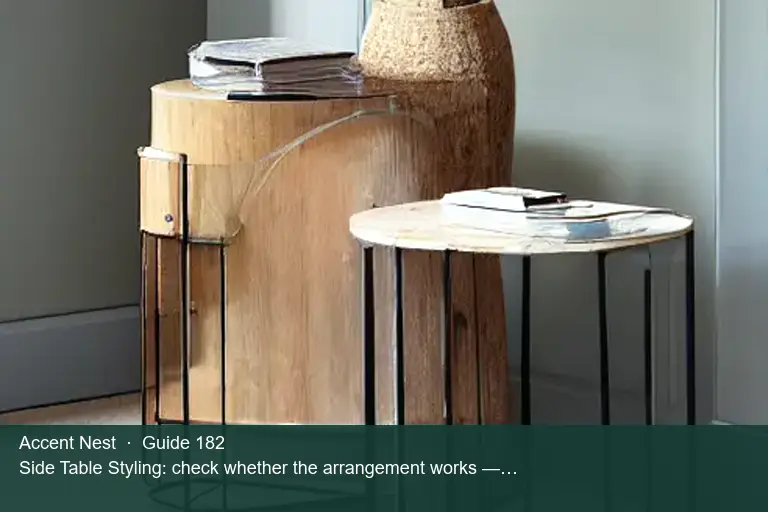
Side Table Styling: check whether the arrangement works — reset routine for a first display plan; setup in small spaces
Side tables are a versatile and practical storage solution, but their placement and arrangement can significantly affect their effectiveness and functionality. In small spaces, a well-designed side table can transform a single piece of furniture into a functional, attractive, and functional piece of storage. This article aims to help readers evaluate the appropriateness of side table arrangements in small spaces, providing practical tips on how to make a first display plan.
### Small-Space Plans: A New Look for First Impressions
In small spaces, side tables are often the first focal point, transforming a single piece of furniture into a functional and attractive display. The ideal side table is not just a decorative element; it is a functional storage solution that complements the space. This article provides practical tips on how to make a first display plan, ensuring that the side table arrangement works in small spaces.
### The Importance of a First Display Plan
The first display plan is the cornerstone of any small space setup. It is the first step in creating a cohesive and functional display, setting the tone for the entire space. The first display plan should include the side table and be designed to complement the other furniture pieces, creating a harmonious and welcoming atmosphere. This article offers practical tips on how to create a first display plan.
### Consideration Points for Side Table Arrangements in Small Spaces
When designing a side table arrangement in small spaces, consider the following points:
- **Size and Shape**: Small spaces require a smaller side table, often in the form of a rectangular or square piece of furniture. The shape should be simple and functional, allowing easy access and display.
- **Color and Material**: Choose color and material that complement the space, but be mindful of the space's color palette. A neutral color scheme can help create a clean and serene display, while bold colors can add visual interest.
- **Landscape and Window**: Consider the layout of a window, which often has a smaller side table or a different type of furniture. Ensure the side table is placed in a way that maximizes the space's use.
- **Cabinet and Storage**: Side tables often serve as storage solutions for small items. Ensure the side table is well-organized to keep small items in view.
- **Placement**: Ensure the side table is placed in a way that maximizes the space's use. A single side table can be a good solution for small spaces, but a double side table can be more effective.
### Practical Tips for Making a First Display Plan
In small spaces, a first display plan is not just a decorative element; it is a functional and attractive display. Here are some practical tips to create a first display plan:
- **Start with the Side Table**: Begin with the side table, ensuring it is in the right size and shape for the space. The side table should complement the other furniture pieces and create a cohesive display.
- **Choose the Right Color and Material**: Choose a color and material that complement the space, but be mindful of the space's color palette.
- **Ensure the Side Table is placed in a way that maximizes the space's use**: Place the side table in a way that maximizes the space's use, ensuring the side table is placed in a way that maximizes the space's use.
- **Ensure the side table is well-organized**: Ensure the side table is well-organized to keep small items in view.
- **Test the Side Table**: Test the side table to ensure it works well in small spaces. Make sure the side table is placed in a way that maximizes the space's use, and ensure it is functional and attractive.
### Conclusion
In small spaces, the first display plan is not just a decorative element; it is a functional and attractive display. A well-designed side table can transform a single piece of furniture into a functional and attractive, and functionally display in small spaces. By following these practical tips and considering the following points, readers can create a first display plan that works well in small spaces.