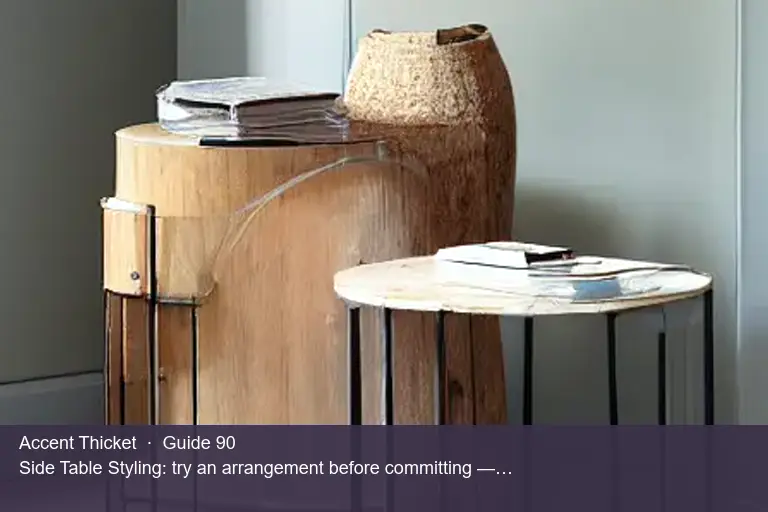
Side Table Styling: try an arrangement before committing — exception plan for existing decor; setup after a break
When you’re returning to your space after a break, it’s wise to take time to assess what works and what doesn’t in your current environment. Start by gathering photos or notes of the existing decor—this helps visualize how new pieces might fit without disrupting the flow. Consider the color palette and textures already present; adding similar tones can create harmony rather than clash. If you’re unsure about placement, try rearranging items temporarily on the floor or a nearby surface to see what feels balanced. This small step saves time and reduces stress later.
For side tables, think about functionality first. Choose pieces that serve a purpose—whether it’s holding a drink, displaying a favorite book, or offering a place for a lamp. Opt for styles that complement your existing furniture without overwhelming the room. A simple design often works best when you’re mindful of proportions and scale. If you’re unsure about specific items, visit a local store during off-hours to test different arrangements without long-term commitment.
Take a clear break from making decisions, then return with a fresh perspective. This approach respects your experience while giving you the flexibility to adjust before finalizing any changes. Remember, it’s okay to pause and reassess—your space should feel like a reflection of who you are now.