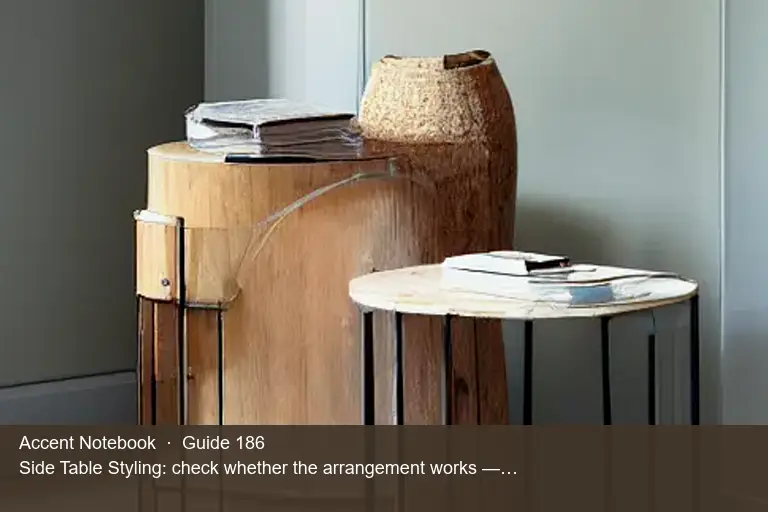
Side Table Styling: check whether the arrangement works — comparison table for a shared room; setup with paper records
When evaluating side table styling in a shared room, it’s important to consider how the arrangement affects both functionality and aesthetics. Start by assessing the space around the table—ensure there’s enough room for movement and that the furniture complements the existing decor. A well-placed side table can enhance the flow of a room, but it should never feel cramped or out of place. Take note of the lighting in the area; soft, natural light often makes a table look more inviting, while harsh overhead lights can make it feel less welcoming.
Next, think about the materials and colors used. Opt for finishes that match or harmonize with your room’s palette. If you’re using paper records as part of your setup, consider how they integrate with the overall design—simple, clean layouts tend to work best in shared spaces. Keep the arrangement balanced; too many tables or cluttered surfaces can disrupt the sense of openness. A good rule is to leave breathing room around each piece, allowing the eye to rest and the space to breathe.
Finally, review your setup with a practical stopping point: step back and visualize the room after the table is in place. If it feels cohesive and comfortable, you’re on the right track. Adjust as needed, but avoid overcomplicating things. This approach ensures your side table not only looks good but also supports a calm, organized environment.