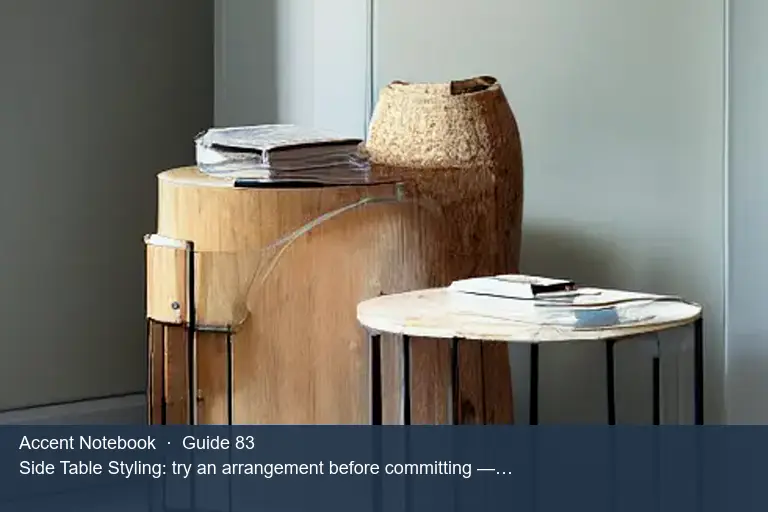
Side Table Styling: try an arrangement before committing — exception plan for a narrow display area; setup with paper records
The side table is a versatile and practical piece of furniture, designed for both casual and formal settings. Its unique design allows it to seamlessly integrate with various styles and environments, making it an ideal choice for any home. One aspect that can be easily adapted, especially in a narrow display area, is the arrangement of side tables. This article will guide you through the process of selecting the perfect arrangement for your side table. We'll also explore an exception plan for a narrow display area that can be tailored to your specific needs.
### The Benefits of Side Table Arrangement
One of the most significant benefits of side table arrangement is its ability to enhance the aesthetic appeal of your living space. By strategically placing side tables, you can create a harmonious and cohesive look. This can be particularly beneficial for narrow display areas, as it allows you to showcase a variety of items without the need for a large display. This is especially advantageous for individuals with limited space or those who prefer a minimalist aesthetic.
### Setting Up Your Side Table
Before starting the arrangement, it's crucial to choose the right side table. For a narrow display area, it's best to opt for a minimalist design, such as a single table with a small countertop or a compact table with a smaller area. These options provide ample room for displaying a variety of items without the need for a large display area. Additionally, consider the type of paper records that will be displayed on the side table. If the records are small and require minimal space, a compact table would be ideal.
### The Exception Plan for a Narrow Display Area
In situations where a narrow display area is a concern, an exception plan can be made. This plan is designed to allow you to accommodate a smaller display area while still maintaining a cohesive look. Here’s how you can create an exception plan for a narrow display area:
- **Choose a Side Table with a Small Area**: Select a side table that can accommodate a small area. This will allow you to display a variety of items without the need for a large display.
- **Place Side Tables Strategically**: Place side tables in a way that creates a contrast with the other furniture in the space. This can be achieved by placing the side tables in a corner or a corner of the display area.
- **Use Side Tables with Paper Records**: Use side tables with paper records that do not require a large display area. These records can be displayed on the side table without the need for a large display. For example, you could use a small table with a countertop and a small drawer, which can accommodate a small amount of paper records.
- **Consider the Layout**: Ensure that the layout of the display area is clear and organized. This will help you avoid clutter and ensure that all items are easily accessible.
- **Test Your Plan**: Before committing to your plan, test it out. Arrange your side table and check if it fits the space and the items you want to display. If it doesn't, make necessary adjustments.
### Conclusion
In conclusion, side table arrangement is a versatile and practical choice that can be easily adapted to your specific needs. By choosing the right side table and positioning it strategically, you can create a unique and cohesive look that enhances the aesthetic appeal of your living space. For situations where a narrow display area is a concern, an exception plan can be made, and you can still maintain a cohesive look by using side tables with paper records that do not require a large display area.