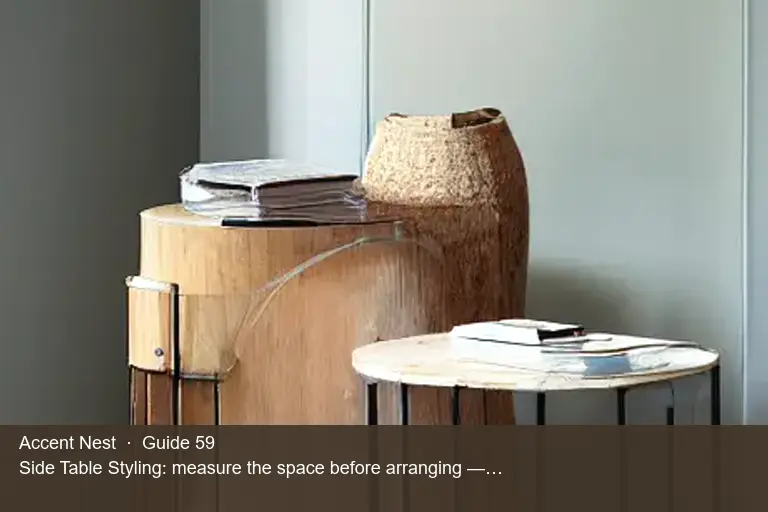
Side Table Styling: measure the space before arranging — exception plan for a household handover; setup in small spaces
Side Tables: the ultimate upgrade for small spaces
As the household handover approaches, the need for a new side table is clear. The traditional side table, with its sturdy wooden frame and classic design, is a staple in many homes. However, when it comes to small spaces, the option to switch to a side table with a more modern design, such as a sleek metal or glass front, can make a significant difference.
In small spaces, a side table can significantly enhance the room's ambiance and functionality. It's a perfect choice for a new sofa or a TV set, or even as a feature in a living room. By adding a side table, you can create a more spacious living area and make the space feel more functional. Plus, it's a great way to display items that might be otherwise kept in drawers or under the bed.
To make sure that your side table is the right fit for your small space, consider the following steps:
- Measure the space: Before you start arranging, it's essential to measure the space in your small space. Use a measuring tape or a measuring tool to ensure that the table will fit comfortably within the space. Measure the length, width, and depth of the space to ensure that you have enough room for the table.
- Consider the furniture: If you have a large, high-end sofa or a large TV set, it's a good idea to consider how the table will fit within the space. If you have a small sofa, consider whether you can fit a side table in the space without making the sofa too small. If you have a large TV set, consider whether you can fit a side table in the space without making the TV set too small.
- Decide on a table front: The front of the side table is the most important feature when it comes to choosing a new table. Consider the design of the table front, such as whether it's a metal or glass front, and whether it's a solid or painted front. The front of the table front can also affect the overall look of the space.
- Choose the right materials: When choosing materials for your side table, consider the materials that are best suited for the space you have. For example, if you have a large sofa, you might want to consider a table with a metal front that is lightweight and easy to clean.
In conclusion, side tables can be a great way to add functionality and style to small spaces. By measuring the space, considering the furniture, deciding on a table front, choosing the right materials, and selecting the right sizes, you can create a functional, stylish, and comfortable space in your small space.