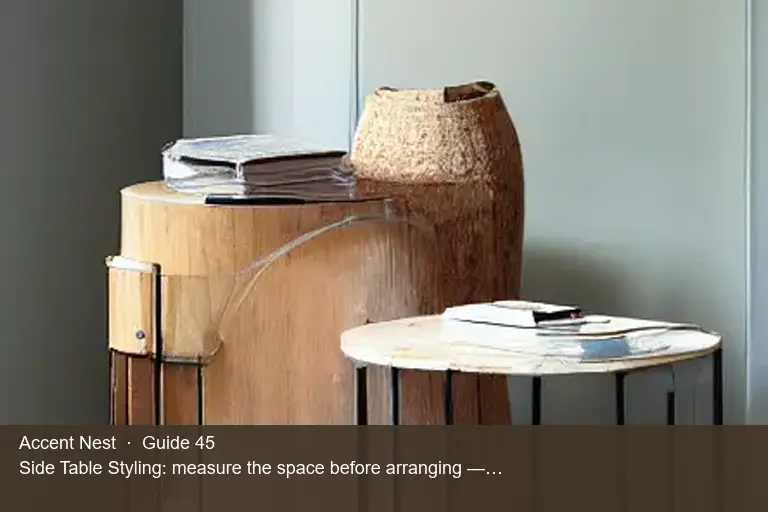
Side Table Styling: measure the space before arranging — comparison table for a shared room; setup in small spaces
In a small space, the right side table can make a significant difference in the ambiance and the functionality of a room. The right side table not only provides a comfortable seating area but also serves as a focal point for conversation and activity. In this article, we'll explore some practical tips on how to arrange a side table in a small space, based on our analysis of small-space plans. Our goal is to help you measure the space before arranging, as well as to provide you with some helpful comparisons to make the decision-making process easier.
The first step in measuring the space before arranging a side table is to take a close look at the surrounding environment. This includes the size of the room itself, the size of the furniture in the room, and the size of the furniture in the room. By examining these elements, you can determine the ideal size for a side table to fit within the space.
Now, let's look at some practical tips on how to arrange a side table in a small space. First, you'll want to consider the layout of the room, such as whether the furniture is arranged in a straight line, a diagonal line, or a zigzag pattern. The size and layout of the furniture in the room will also determine the ideal size for a side table. For instance, if the room is a living room, a side table should be placed near the sofa, and if the room is a bedroom, a side table should be placed near the bed.
Next, you'll want to consider the placement of the side table. The best place for a side table is on the side of the room. This allows you to easily access the furniture in the room while also providing a clear view of the space. The side table should be placed close to the entryway or near the window if the room is a living room or a bedroom.
Once you've measured the space and arranged the side table, the next step is to make sure the side table is placed in a way that will create a focal point for conversation and activity. This means placing the side table near the entryway, near the living room, or near the bedroom. The placement of the side table should be in a way that allows you to easily access the furniture in the room and create a clear view of the space.
In conclusion, measuring the space before arranging a side table is a practical way to ensure that the room is designed for the needs of the occupants. By taking a close look at the surrounding environment, examining the layout of the room, and considering the placement of the side table, you can make an informed decision on how to arrange the side table in a small space. By following these practical tips, you can create a space that is functional, comfortable, and conducive to conversation and activity.